
How Can I Make Everyday Vegetables Taste Better If I Dislike Them?
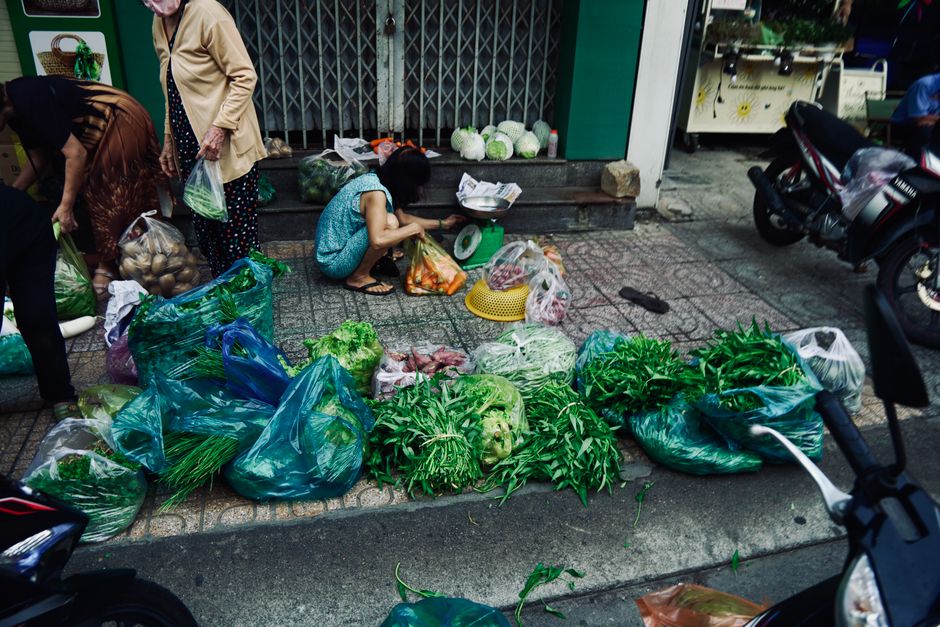
Make everyday vegetables taste better by choosing a cooking method that fits the texture you can tolerate, then building flavor with salt, acid, aromatics, herbs, spices, or a savory sauce. Roast for browned edges, saute for a crisp-tender bite, and steam broccoli or carrots instead of boiling them. If texture is the real barrier, use smaller cuts, puree vegetables into mixed dishes, or start with frozen options.
The common belief is that adults who dislike vegetables need to learn to tolerate bland food. But that is the wrong assignment. The useful question is whether the problem is bitterness, sogginess, a fibrous bite, or the workload of chopping and cooking after a long day. Solve that specific problem first.
How can I make vegetables taste good without covering them in cheese?
You can make vegetables taste good without cheese by using a deliberate flavor sequence: fat for cooking, salt and pepper for baseline seasoning, an aromatic or spice for depth, then acid or a savory sauce at the end. This is not a luxury-food project. It is a repeatable way to stop serving vegetables that taste like an obligation.
A controlled consumer-acceptance study published in the Journal of Food Science found that seasoned broccoli, cauliflower, carrots, and green beans were significantly preferred to unseasoned versions. The study also identifies bitterness as a major reason vegetables can be unappealing. Seasoning is not cheating; it is the practical response to a real taste barrier.
Here is the working formula from Utah State University Extension: cook with olive oil, use garlic or ginger, season with salt and pepper, then add lemon juice or zest, dried herbs or spices, soy sauce, balsamic vinegar, red-wine vinegar, or sesame oil. Pick two or three additions, not every item in the cupboard. Too many competing flavors do not make a vegetable more approachable.
| Vegetable | Beginner-friendly method | Flavor direction |
|---|---|---|
| Broccoli | Steam or microwave-steam | Salt, pepper, lemon, garlic, or soy sauce |
| Carrots | Roast or steam | Olive oil, dried herbs, lemon zest, or balsamic vinegar |
| Green beans | Saute in an uncrowded hot pan | Garlic or ginger, sesame oil, or red-wine vinegar |
Start with one finish. A squeeze of lemon after cooking or a small amount of soy sauce is enough to tell whether the missing piece was brightness or savoriness. Dumping on cheese before identifying the problem only hides it.
Why do vegetables taste bland when I cook them at home?
Vegetables taste bland at home when they are crowded, overcooked, underseasoned, or cooked by a method that produces a texture you dislike. The fix is not a complicated recipe; it is controlling heat, space, cut size, and the finishing flavor.
For roasting, Utah State University Extension recommends uniform 1-inch cubes, 1 to 2 tablespoons of olive oil, a single layer, and an oven set to 425 F. Depending on the vegetable, roasting takes 10 to 50 minutes. That single layer matters because the aim is browning, not a packed tray of soft pieces. Roasting brings out naturally sweet flavor, which makes it a strong entry point for carrots and other vegetables that respond well to browned edges.
For sauteing, use a hot, uncrowded pan. The Extension guidance describes the target clearly: a browned, crisp exterior with a tender interior. This route makes sense when mushiness is the deal-breaker. For steaming, use the shorter window the source provides: 3 to 10 minutes, depending on the vegetable. Texture is not a minor preference; a household survey study in the International Journal of Behavioral Nutrition and Physical Activity found that texture was the main cue people used to judge vegetable doneness.
Boiling is not automatically wrong, but it is a poor default for someone already put off by vegetables. In a sensory study of 50 untrained assessors, steamed broccoli scored 6.2 and microwave-steamed broccoli 7.1 for overall acceptability on a 1-to-9 scale, compared with 5.1 for boiled broccoli. Carrots also received better flavor and overall-acceptability ratings when steamed or microwave-steamed than when boiled.
Air-frying and grilling can be useful high-heat options, but the supplied research does not provide timing or direct taste comparisons for them. Do not invent a rule from a trend. Start with the methods that have clear guidance: roast for browned sweetness, saute for crisp-tender texture, and steam when broccoli or carrots need a gentler result.
What seasonings make broccoli, carrots, and green beans taste better?
Broccoli, carrots, and green beans taste better with seasoning that addresses their specific flavor and texture: lemon and savory notes for broccoli, roasting-friendly herbs and acid for carrots, and garlic, ginger, or sesame notes for green beans. Use salt and pepper as the foundation, then choose one aromatic and one finish.
For broccoli, steam or microwave-steam it, then use lemon juice or zest with garlic, or add soy sauce for a savory direction. This is a sensible place to begin because the sensory study found steaming methods were rated significantly higher than boiling for broccoli across the measured features.
For carrots, roast uniform pieces at 425 F until the texture suits you, then finish with dried herbs, lemon zest, or balsamic vinegar. Roasting is the move when you want a sweeter-tasting result without adding a heavy topping. For green beans, saute in a hot uncrowded pan and choose garlic or ginger, followed by sesame oil or red-wine vinegar.
If vegetables still feel like a chore, change the form rather than declaring defeat. USDA MyPlate states that vegetables can be raw or cooked, fresh, frozen, canned, dried, whole, cut-up, or pureed. One cup of broccoli florets, chopped carrots, or green beans counts as one cup of vegetables, while two cups of raw leafy greens count as one cup. Purees count too, which matters when texture is the obstacle rather than the flavor.
Frozen vegetables remove another common barrier: preparation. USDA WIC Works says frozen vegetables can be as nutrient-dense as fresh, are pre-cut, store longer, and heat quickly in the microwave, on the stovetop, or in mixed dishes. Choose low-sodium canned vegetables when using shelf-stable options, then season them yourself. You do not need a perfect produce routine; you need a version you will make again.
For the next meal, choose one vegetable, one method, and one flavor finish. Roast carrots with olive oil and dried herbs, steam broccoli and add lemon, or saute green beans with garlic. Repeat the version whose texture you can live with, then adjust one variable at a time. That is how a disliked food becomes a usable weekday ingredient rather than a recurring guilt purchase.
Frequently Asked Questions
Is roasting vegetables better than boiling them?
For people who dislike soft or watery vegetables, roasting is often the better starting point because it creates browned edges and brings out naturally sweet flavor. Utah State University Extension recommends roasting uniform 1-inch pieces in a single layer at 425 F for 10 to 50 minutes, depending on the vegetable. For broccoli and carrots specifically, research found steamed and microwave-steamed versions were rated more acceptable than boiled versions.
How can I add more vegetables to meals if I dislike their texture?
Change the format before forcing the same texture repeatedly. USDA MyPlate counts pureed vegetables toward the Vegetable Group, so blended or mashed vegetables are a legitimate option. Start with small amounts in mixed dishes, choose a texture you can tolerate, and increase the amount gradually.
Are frozen vegetables as good as fresh vegetables for easy meals?
USDA WIC Works states that frozen fruits and vegetables can be just as nutrient-dense as fresh options. They are pre-cut, keep longer, and can be heated in the microwave, cooked on the stovetop, or added to mixed dishes. That makes frozen vegetables a practical choice when prep work is the obstacle.