
What Exercises Are Safe for Osteopenia or Osteoporosis?
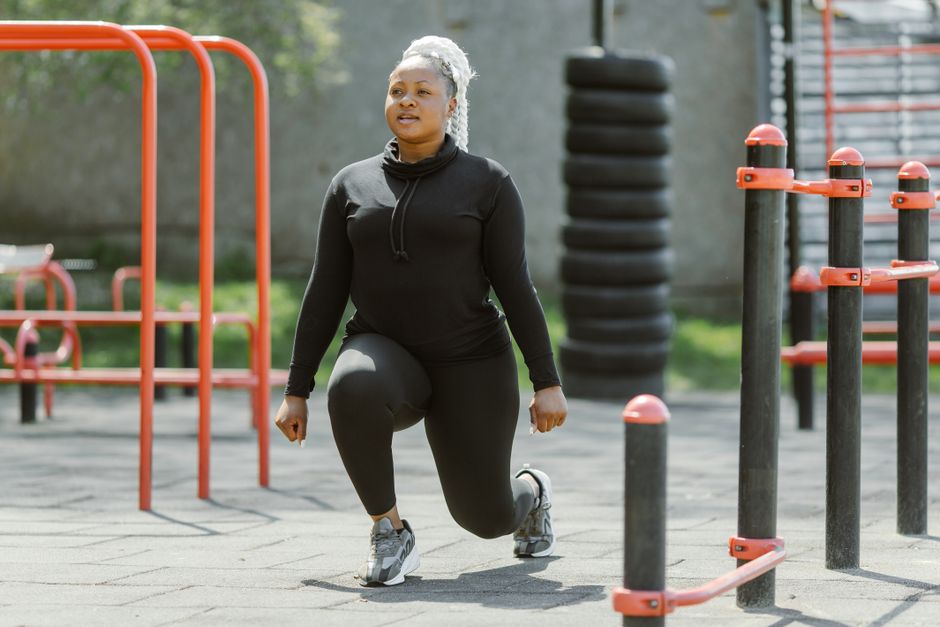
A safe bone-strengthening program combines progressive resistance, appropriate weight-bearing activity, posture work, and balance training, then adjusts impact and movement choices for fracture history, symptoms, fall risk, and experience. The 2022 UK consensus supports resistance and impact for bone strength, but limits people with vertebral or multiple low-trauma fractures to impact no greater than brisk walking unless they have personalized professional instruction.
The common mistake is treating “exercise for bones” as one category. It is not. Walking, lifting, balance drills, and posture exercises have different jobs, and the safest useful plan matches the job to the person in front of it. More impact is not automatically better; the hidden cost of ignoring fracture history or fall risk can be substantial.
Which exercises actually help improve or maintain bone density?
Weight-bearing and muscle-strengthening exercise are the two categories identified by the Bone Health & Osteoporosis Foundation as important for building and maintaining bone density. But bone care also needs balance and posture work, because preventing a fall and moving with safer spinal mechanics matter alongside the bone-loading goal.
| Training type | What it contributes | Examples named in the evidence | Key safety distinction |
|---|---|---|---|
| Weight-bearing activity | Loads bones while the body supports its weight | Brisk walking, level hiking, stair-step machines, low-impact aerobics | Low-impact choices are useful alternatives when high-impact activity is not appropriate. |
| Impact activity | Provides a sharper bone-loading stimulus | Jumps, hopping, skipping, running, and some dance | For vertebral or multiple low-trauma fractures, the 2022 UK consensus usually caps impact at brisk-walking level without personalized instruction. |
| Progressive resistance | Strengthens major muscle groups and supports bone strength | Free weights, bands, body-weight squats, lunges, sit-to-stand, calf raises | Technique, transitions, and spinal position matter as much as the load. |
| Balance and posture work | Targets fall risk and upright alignment | Balance challenges, spinal extension, tai chi | Use fall-prevention precautions and progress the challenge gradually. |
Here is what the evidence says in plain terms: do not build a program around aerobics alone. The Too Fit To Fracture international expert panel strongly recommends a multicomponent program with resistance and balance training for older adults with osteoporosis or osteoporotic vertebral fracture, and specifically says aerobic training should not exclude those elements.
For postmenopausal women, the 2022 American Physical Therapy Association clinical practice guideline gives a Grade B recommendation, based on moderate evidence, for long-duration progressive resistance training alone or combined with impact exercise such as jogging, walking, or aerobics to slow femoral-neck bone-mineral-density decline. It also identifies long-duration walking, tai chi, progressive resistance, or combinations of them as options to slow lumbar-spine decline. Evidence was insufficient for the guideline to make the same bone-density recommendation for men. That is not a reason for inactivity; it is a reason not to pretend one evidence base fits every person.
Can I lift weights if I have osteoporosis or osteopenia?
Yes, progressive resistance training is a core part of the evidence-based approach, but the starting point and setup must fit fracture history, current ability, pain, and movement control. The International Osteoporosis Foundation states that progressive resistance training is safe for people with osteoporosis when it begins at light to moderate intensity and progresses according to individual capability.
The 2022 UK consensus describes a progression toward two to three sets at an eight-to-twelve-repetition-maximum load, targeting major muscle groups on two to three days each week. The 2015 Too Fit To Fracture panel similarly recommends at least two weekly sessions for all major muscle groups, with a target of two sets of at least one exercise per major group at eight to twelve repetitions maximum for people able to tolerate that intensity. Both sources stress that people who are sedentary or new to resistance work begin at a lower intensity first.
Do not mistake a machine for an automatic safety upgrade. The expert panel notes that some resistance machines require forward bending and twisting for setup or positioning, which can be a poor fit for people at high risk of vertebral fracture unless correct use is certain. Bands, free weights, body weight, and functional movements can all provide resistance; the useful question is whether the exercise can be performed with controlled alignment and a safe transition in and out of position.
Spinal extension deserves a place in the plan. The 2022 UK consensus recommends spinal-extension exercise to improve posture, while the international panel highlights muscles important for posture, including spinal extensors. This is not decorative “mobility work.” It addresses the practical problem of maintaining upright posture while strength and balance are being developed.
Are jumping exercises safe if I have low bone density?
Jumping exercises can be appropriate for some people with low bone density, but they are not the default for everyone. The 2022 UK consensus recommends about 50 moderate impacts, separated by rest pauses, on most days for people without vertebral fractures or multiple low-trauma fractures; examples include low-level jumps, hops, jogging, and skipping. That recommendation excludes landing from height.
Fracture history changes the answer. The same 2022 consensus states: “People with vertebral fracture or multiple low trauma fractures should usually exercise only up to an impact equivalent to brisk walking.” Personalized professional instruction can change an activity decision, but the report is clear that this is the point where a generic online progression stops being enough.
Fitness level and fall risk also change the sequence. For someone who is frail, less able to exercise, or unsteady, the consensus places strength and balance work before higher activity levels. The Too Fit To Fracture panel recommends building toward about two hours of balance practice per week, roughly 15 to 20 minutes daily, while using precautions such as nearby support, suitable flooring, and footwear with traction. This is the unglamorous part people skip. It is also the part that makes the rest of the plan more usable.
The practical framework is direct: establish controlled resistance technique and balance first; use low-impact weight-bearing activity when fracture history or fall risk calls for it; add moderate impact only when the risk profile and professional guidance support it. Do not chase an impact target borrowed from somebody else’s body.
Frequently Asked Questions
Which yoga poses, ab exercises, or stretches should I avoid with osteoporosis?
For people with osteoporosis, especially spinal bone loss or high vertebral-fracture risk, the Bone Health & Osteoporosis Foundation advises avoiding forward bends from the waist, toe touches, sit-ups, abdominal crunches, and extreme trunk twisting or bending. The 2022 UK consensus likewise advises against high-degree spinal flexion, particularly when it is loaded, repeated, or performed at end range. The relevant distinction is the spine position and load, not the label yoga, stretching, or core work.
Is walking enough exercise to build bone density?
Walking is a useful weight-bearing activity and, according to the 2022 American Physical Therapy Association guideline, long-duration walking is among the approaches physical therapists should consider to slow lumbar-spine bone-mineral-density decline in postmenopausal women. But the Too Fit To Fracture expert panel says aerobic work should not replace resistance and balance training. For people without vertebral or multiple low-trauma fractures, the 2022 UK consensus identifies moderate impacts and progressive resistance as the stronger bone-focused combination; for higher-risk people, brisk walking may be the appropriate impact ceiling.
When should I see a physical therapist before starting an exercise program?
Individualized physical-therapy input is especially relevant after a vertebral fracture, with multiple low-trauma fractures, with back pain, after hip fracture, or when poor balance creates a fall risk. The International Osteoporosis Foundation recommends supervised mobilization for frail adults with poor balance, and the 2022 UK consensus recommends physiotherapy input when people with vertebral or multiple low-trauma fractures begin impact or progressive resistance work. A clinician trained in osteoporosis care is also important when back pain raises concern for a spinal fracture.
Sources
- British Journal of Sports Medicine: Strong, steady and straight UK consensus statement
- Too Fit To Fracture International Expert Panel recommendations
- Academy of Geriatric Physical Therapy clinical practice guideline
- International Osteoporosis Foundation exercise guidance
- Bone Health & Osteoporosis Foundation safe movement guidance
Disclaimer: This article is for general information only and is not medical advice. It is not a substitute for diagnosis or treatment by a qualified healthcare professional. Always speak to your doctor before acting on anything you read here.