
My Blood Pressure Is 180/120: Should I Call 911 or My Clinician?
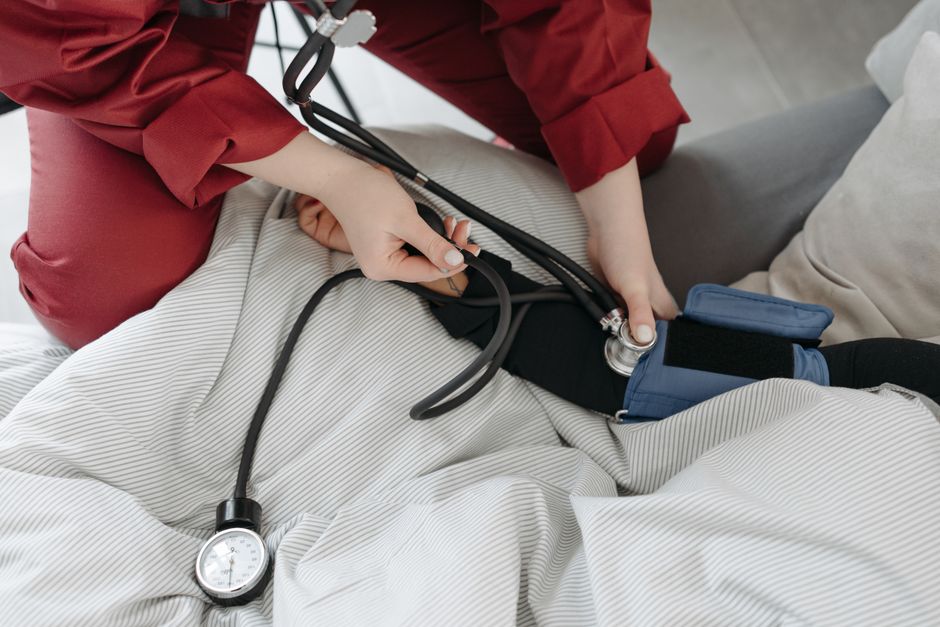
If a home reading is higher than 180/120 mm Hg, the American Heart Association’s 2025 guidance says to wait at least 1 minute and measure again. If it remains that high with chest pain, shortness of breath, back pain, numbness, weakness, vision changes, trouble speaking, or another new concerning symptom, call 911. Without those symptoms, contact a health care professional as soon as possible.
My blood pressure is 180/120 but I feel fine. Should I go to the ER?
Not automatically, but do not shrug off the reading. The American Heart Association’s 2025 guidance classifies a reading higher than 180/120 mm Hg without symptoms of organ damage as severe hypertension and says that hospitalization is usually not required when no new concerning symptoms are present; the next move is prompt contact with a health care professional after a repeat reading.
The number matters, but the combination of the number and what is happening in the body matters more. That distinction is easy to miss when a monitor produces an alarming result. The British and Irish Hypertension Society’s peer-reviewed position document separates acute severe hypertension from hypertensive emergency by whether there is acute or life-threatening end-organ damage, not by the blood-pressure reading alone.
| What the repeat reading shows | What is also happening | Response described by the sources |
|---|---|---|
| Higher than 180/120 mm Hg | No new concerning symptoms | Contact a health care professional as soon as possible, according to the American Heart Association’s 2025 guidance. |
| Higher than 180/120 mm Hg | Chest pain, shortness of breath, back pain, numbness, weakness, vision change, difficulty speaking, or another new concerning symptom | Call 911, according to the American Heart Association’s 2025 guidance. |
| Clinic blood pressure of 180/120 mm Hg or higher | New confusion, chest pain, signs of heart failure, or acute kidney injury | Same-day specialist assessment is recommended in NICE referral guidance. |
Feeling fine is not a clearance slip. It tells you not to invent an emergency from one number, but it does not erase the need to repeat the measurement and act on the result. The American Heart Association’s 2025 guidance also notes that very high blood pressure can be associated with serious problems including stroke, heart attack, aortic dissection, pulmonary edema, and kidney or eye damage.
Do not take extra medication or try to force the number down rapidly without clinical direction. The British and Irish Hypertension Society explains that, when there is no life-threatening end-organ damage, blood pressure should be reduced over days to weeks rather than hours; excessive or rapid reduction can cause serious harm. That is the point where improvising becomes a bad bargain.
Should I retake my blood pressure after a very high reading?
Yes. For a home reading higher than 180/120 mm Hg, the American Heart Association’s 2025 guidance says to wait at least 1 minute and measure again, then record both results.
A repeat reading is not a way to delay emergency care when new warning symptoms are present. It is a quick accuracy check when symptoms are absent, because a single home number can be affected by measurement conditions, cuff fit, and the device itself. The American Heart Association says a single high reading is not automatically an emergency, but a repeat reading that remains very high needs immediate clinician contact.
Here is how to make the repeat reading more useful rather than more stressful:
- Use an automatic, validated upper-arm cuff monitor. The American Heart Association’s 2025 home-monitoring guidance says wrist and finger monitors are less reliable.
- Use a cuff that fits the upper arm. An incorrectly sized cuff can produce an inaccurate result, according to the American Heart Association’s 2025 guidance.
- Place the cuff on bare skin, not clothing. Sit quietly without talking or using a phone, with the arm supported at heart level.
- For the most accurate routine measurement, avoid smoking, caffeine, and exercise for 30 minutes beforehand, empty the bladder, and rest quietly for at least 5 minutes, according to the American Heart Association’s 2025 guidance.
- Write down the first reading, the repeat reading, the time, and any symptoms. Records give a clinician or emergency team something more useful than a worried recollection.
Anxiety, pain, and distress can confound a severe reading, according to the British and Irish Hypertension Society. But the truth is that a possible explanation is not a diagnosis. Use the repeat measurement to improve the information, not to talk yourself out of getting help.
For a separate question about keeping movement safe when a bone condition is part of the picture, see What Exercises Are Safe for Osteopenia or Osteoporosis?. Do not use exercise as an attempt to lower a crisis-level reading.
What symptoms with high blood pressure mean I should call 911?
Call 911 when a reading is higher than 180/120 mm Hg and there is chest pain, shortness of breath, back pain, numbness, weakness, a change in vision, difficulty speaking, or another new concerning symptom, according to the American Heart Association’s 2025 guidance.
These are not symptoms to monitor from the couch while waiting for the machine to become more reassuring. The American Heart Association is direct: this is a medical emergency, and people should not wait to see whether blood pressure comes down on its own.
NICE referral guidance adds useful clinical context. For a clinic blood pressure of 180/120 mm Hg or higher, it recommends same-day specialist assessment when there is new confusion, chest pain, signs of heart failure, or acute kidney injury. At home, a reader cannot determine whether organ damage is occurring. That is why the safer dividing line is new symptoms plus a severely high repeat reading, followed by a 911 call.
Headache creates understandable uncertainty. The British and Irish Hypertension Society says severe generalized headache, lethargy, nausea, and vomiting can occur in hypertensive encephalopathy but are not specific to it. New confusion, seizures, and transient focal neurologic symptoms are more suggestive. Do not turn this nuance into a home diagnostic project: a high repeat reading with new concerning symptoms needs urgent emergency action.
Frequently Asked Questions
Can anxiety temporarily make my blood pressure read dangerously high?
Pain, anxiety, and distress can confound a severely elevated blood-pressure reading, according to the British and Irish Hypertension Society’s peer-reviewed position document. That does not make a reading higher than 180/120 mm Hg safe to dismiss: repeat it correctly, assess for new symptoms, and follow the emergency-versus-clinician pathway in this guide.
What should I do while waiting for help after a high blood pressure reading?
If the reading is higher than 180/120 mm Hg with emergency warning symptoms, call 911 rather than waiting to see whether the number falls, as the American Heart Association’s 2025 guidance directs. Record the readings and keep the medication record available for the emergency medical team; do not take extra medication or attempt to force the pressure down rapidly without clinical direction.
Is a headache alone a sign of a hypertensive emergency?
A headache alone is not included in the American Heart Association’s 2025 list of warning symptoms that pairs a reading higher than 180/120 mm Hg with a 911 call. The British and Irish Hypertension Society notes that severe generalized headache can occur in hypertensive encephalopathy but is not specific; new confusion, seizures, or transient focal neurologic symptoms are more suggestive. A high repeat reading or any new concerning symptom still requires prompt medical assessment.
Sources
- American Heart Association: When To Call 911 About High Blood Pressure
- American Heart Association: Home Blood Pressure Monitoring
- National Institute for Health and Care Excellence: Hypertension in Adults
- British and Irish Hypertension Society: Management of Hypertensive Crisis
Disclaimer: This article is for general information only and is not medical advice. It is not a substitute for diagnosis or treatment by a qualified healthcare professional. Always speak to your doctor before acting on anything you read here.
Related reading
What Are the Safest Viagra Alternatives if Sildenafil Is Not Right for Me?
A safety-focused comparison of evidence-based ED alternatives when sildenafil is ineffective, poorly tolerated, or unsafe to use.
Can Allopurinol Dissolve Gout Crystals, and How Long Does It Take?
How urate-lowering treatment clears gout crystals, why early flares happen, and what realistic timelines look like.