
How Do I Choose a Nearby Dance Class as a Self-Conscious Adult Beginner?
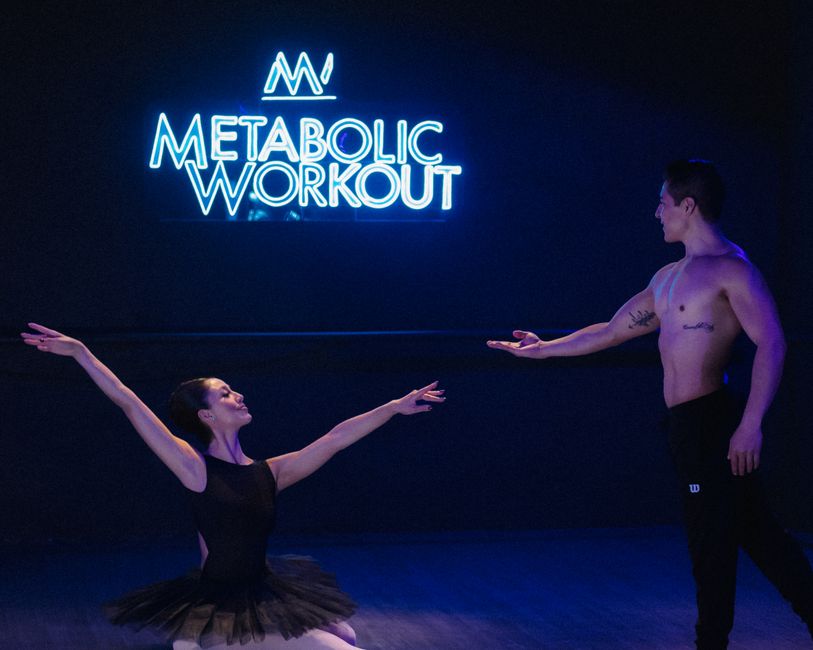
Choose a nearby class that matches the reason you want to dance, explicitly welcomes people with no experience, and offers a low-risk first visit. Group classes are usually the practical starting point for solo adults, while a private lesson suits people seeking focused instruction or more privacy. Use a trial to assess the instructor, pace, partner rotation, and whether the room feels respectful.
What kind of dance class should I take as a complete beginner?
Take the class that fits the outcome you care about, not the one with the most intimidating label. The truth is that “dance class” covers very different experiences: social connection, moderate-intensity activity, wedding preparation, and learning one specific style all call for different formats.
For adults looking for activity that does not feel like another chore, the Centers for Disease Control and Prevention names dancing as one way to stay physically active and advises starting with enjoyable, local activities that can be social. That is a useful filter: proximity and enjoyment are not minor conveniences. They are part of whether a routine lasts.
| Primary goal | Best starting format | What to ask the studio |
|---|---|---|
| Meet people and sample styles | Beginner group class | Do solo attendees rotate partners, and which styles are taught? |
| Prepare for a wedding or learn one dance | Private lesson or a focused series | Can instruction concentrate on one song, style, or skill? |
| Build a regular movement habit | Nearby beginner group class with a repeatable schedule | Does the instructor offer modifications and a gradual pace? |
| Gain confidence away from a group | Private lesson, then a group class if desired | How is individual feedback handled, and what happens after the first lesson? |
Evidence supports treating dance as a legitimate structured activity, without overselling it. A 2024 Sports Medicine systematic review included 27 studies and 1,392 participants; its summary found that structured dance lasting at least six weeks was generally as effective as other structured exercise for a range of psychological and cognitive outcomes. That does not guarantee a particular result for any individual. It does mean a beginner does not need to dismiss a dance class as frivolous movement.
Genre matters less than the entry point. The University of Washington Department of Dance lists no-prerequisite options spanning contemporary modern, ballet, salsa, swing, tango, street and club dances, and more. A studio that clearly separates “no experience required” from “beginning level with prior knowledge assumed” is doing readers a favor. Vague labels are where rookie mistakes begin.
Can I go to a dance class alone if I do not have a partner?
Yes, many group ballroom classes accept single attendees, and a regular partner is not necessary to start. USA Dance recommends affordable group lessons for most beginners because they offer social practice, exposure to different dances, and opportunities to meet people.
Do not let the word “partner” turn into a reason to postpone. Before registering, ask one direct question: “How do you handle solo attendees and partner rotation?” The University of Minnesota Ballroom Dance Club says its classes rotate partners and explicitly welcomes people who come alone. A studio that answers this plainly has already removed much of the uncertainty.
Partner rotation is not mandatory for every style or every person. Some classes are solo-focused, and some people prefer to attend with a friend or keep a consistent partner. The point is not to force social contact; it is to choose a format whose expectations are visible before money changes hands.
There is also a practical distinction between being new and being out of place. A welcoming class does not make its newest attendees feel responsible for rescuing the pace. Watch whether experienced dancers and instructors treat questions as normal, explain changes without impatience, and keep the group moving without leaving anyone stranded.
For freelancers and small-business owners, scheduling can be the hidden obstacle rather than confidence. If recurring commitments are swallowing the evening you planned to use, redesigning recurring meetings around decisions can help reclaim time for a class that is close enough to become routine.
How do I know whether a dance class is really for beginners?
A class is really for beginners when it states that no previous experience is required, teaches the foundation instead of racing past it, and gives newcomers a workable way to join. “Beginner” on its own is not proof; ask what knowledge the instructor expects on day one.
Here is how to test the claim during a trial session. Listen for an instructor who names the basic steps, demonstrates them in manageable pieces, and offers a path back when someone loses the sequence. The University of Minnesota Ballroom Dance Club describes revisiting basic steps before every lesson, an observable practice that protects newcomers from being treated as an interruption.
- Instructor approach: Are questions answered clearly, with options for people learning at different speeds?
- Pace: Does the class repeat core material before adding combinations, or is everyone expected to know the vocabulary already?
- Class size: Can the instructor see and respond to new dancers, or is the room too crowded for feedback?
- Partner process: Is rotation explained, voluntary where appropriate, and workable for people arriving alone?
- Exit test: Can you describe what was taught and what comes next without being pressured into a package?
Trial sessions are not a luxury. They are the cheapest way to avoid committing to a setting that does not fit. The University of Minnesota Ballroom Dance Club uses a low-risk model by offering the first two lessons free before membership, although public information does not establish whether any specific nearby studio follows that approach. Ask for the trial policy, total package cost, cancellation terms, and what happens if the level is wrong.
Age and inexperience are not automatic disqualifiers. A 2024 PLOS ONE scoping review examined 148 studies of 116 dance programs for adults aged 55 and older, involving 8,060 participants. It characterized dance as physically safe in the programs reviewed and found adherence comparable with other community exercise programs. The review also reported more consistent benefits for endurance, strength, and function than for cognitive outcomes or falls risk, which is the kind of nuance a trustworthy studio should respect.
Start with the nearest clearly no-prerequisite class, take the trial, and score the experience against the checklist while the details are fresh. Confidence is not an entry requirement. Clear information, a respectful instructor, and a format that matches the goal are the entry requirements.
Frequently Asked Questions
Should I choose group classes or private dance lessons?
Group classes are typically the practical starting format for beginners who want lower-cost exposure to several dances and social practice. USA Dance explains that private lessons cost more but provide individualized attention and can accelerate learning. The better format depends on whether social practice or targeted, private instruction is the main priority.
What should I wear to my first dance class?
Wear comfortable clothing that allows movement and clean footwear that will not damage the floor. The University of Minnesota Ballroom Dance Club recommends slick-bottomed shoes but says specialized dance shoes are not required, while the University of Washington gives genre-specific footwear guidance. Secure long hair when needed, and ask the studio about its floor and class style before attending.
Can I try a dance class before committing to a package?
A trial class is the clearest way to assess the teaching pace, atmosphere, and format before buying a package. The University of Minnesota Ballroom Dance Club offers its first two lessons free before membership, demonstrating one low-risk trial model. Studios set their own policies, so public information may not show whether a nearby school offers a trial; contact it directly and ask.
Sources
- Centers for Disease Control and Prevention: Moving Matters
- Sports Medicine systematic review
- University of Washington Department of Dance: Where Do I Begin?
- USA Dance: How to Get Started Dancing
- University of Minnesota Ballroom Dance Club: Frequently Asked Questions
- PLOS ONE: Dance programs for adults aged 55 and older
Disclaimer: This article is for general information only and is not medical advice. It is not a substitute for diagnosis or treatment by a qualified healthcare professional. Always speak to your doctor before acting on anything you read here.
Related reading
What Exercises Are Safe for Osteopenia or Osteoporosis?
A safety-first guide to resistance, impact, balance, posture, and movement adaptations for osteopenia or osteoporosis.