
Can I Lose Belly Fat in Two Weeks?
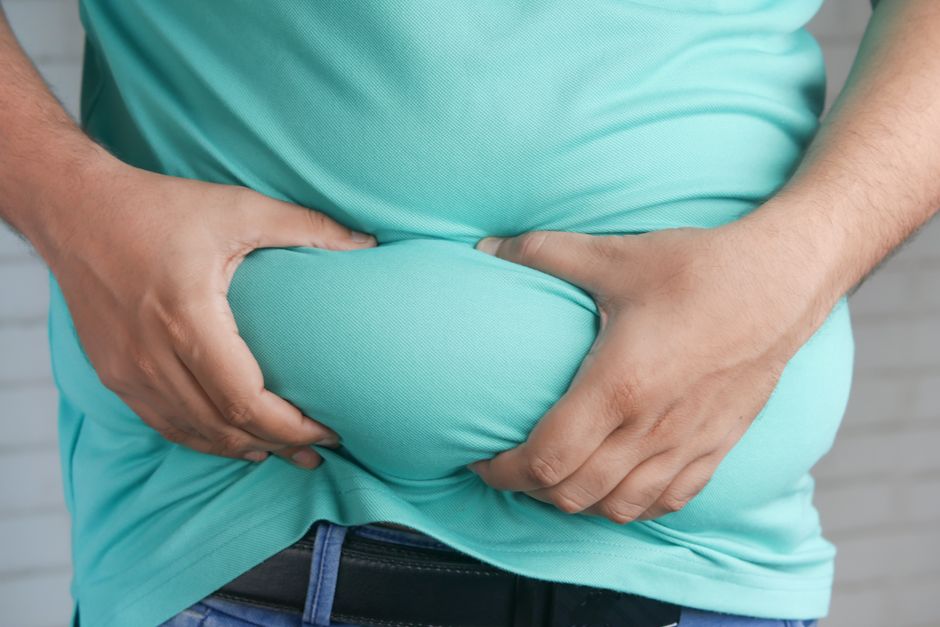
You can make your stomach look and feel flatter in two weeks by building repeatable eating, movement, sleep, and stress habits, but a dramatic, targeted loss of belly fat is not a safe expectation. Short-term visual change can also reflect less bloating, different water retention, and posture. The durable goal is steady whole-body fat loss, not a crash plan.
Can I lose belly fat in two weeks?
Not in a targeted, guaranteed way. The common pitch is that two hard weeks can erase abdominal fat; the truth is that the body does not offer a fast lane for one body part. The CDC identifies losing twenty pounds in two weeks as unrealistic and says gradual, steady loss is more likely to last.
That does not make a two-week start pointless. It is a useful runway for changing the actions that drive longer-term results: replacing sugary drinks with water, taking a fifteen-minute walk, establishing a regular meal pattern, and protecting sleep. The CDC includes healthy eating, regular activity, enough sleep, and stress management in healthy weight loss. Those actions are not flashy. They are also not a waste of time.
Visible change is not always fat loss. Bloating is a sensation of abdominal fullness or swelling, while distention means the abdomen becomes visibly larger. According to the National Institute of Diabetes and Digestive and Kidney Diseases, only about half of people who report bloating also have distention. That distinction matters: a flatter-looking stomach after a few days can be real, but it does not prove that abdominal fat disappeared.
Use two weeks as a setup period
Here is the practical reset: remove the pressure to manufacture a dramatic before-and-after, then track the behaviors that survive a busy workweek. Freelancers and small-business owners often lose routines when the calendar gets crowded, which is why protected movement breaks can be as useful as redesigning recurring meetings around decisions. Put a walk on the calendar and treat it as a real appointment.
| Focus | What the evidence supports | Practical two-week action |
|---|---|---|
| Aerobic activity | The 2018 Federal Physical Activity Guidelines support building toward 150 to 300 minutes of moderate activity weekly. | Start with brief brisk walks and add time gradually. |
| Strength work | The 2018 Federal Physical Activity Guidelines include muscle-strengthening work on two or more days weekly. | Schedule full-body sessions that fit available time. |
| Eating pattern | NIDDK guidance emphasizes an eating pattern that can be maintained over time. | Plan meals around minimally processed staple foods rather than a cleanse. |
| Recovery | CDC guidance includes sufficient sleep and stress management in healthy weight loss. | Set a consistent wind-down boundary instead of adding another punishing workout. |
Do crunches and planks burn belly fat?
No. Crunches and planks build core strength and endurance, but they do not selectively burn fat from the abdomen. In a 2011 randomized trial published in the Journal of Strength and Conditioning Research, abdominal exercise alone did not significantly change body weight, body-fat percentage, abdominal circumference, or measures of abdominal fat compared with a control group.
The trial is useful because it separates two ideas people routinely mash together. The abdominal-exercise group improved curl-up performance, so the work was not useless. It was the wrong tool for the promise. A stronger core can support exercise and posture; it is not a targeted fat-loss device.
Keep core work if it is enjoyable or supports a training routine. Pair it with whole-body movement and strength training instead of treating it as the main event. The hidden cost of endless crunches is not only time; it is the false belief that effort in one muscle dictates where fat comes off.
What is the fastest safe way to make my stomach look flatter?
The fastest safe route is to stop chasing a shortcut and stack the habits that improve whole-body health: a sustainable eating pattern, regular activity, strength work, sleep, and stress management. The NIDDK describes the key to weight loss as choosing a healthy eating plan that can be maintained over time.
Build meals around vegetables, whole fruits, whole grains, lean protein foods, dairy or fortified alternatives, and healthful oils. NIDDK's dietary guidance limits added sugars to less than ten percent of daily calories, saturated fat to less than ten percent of daily calories, and sodium to less than 2,300 milligrams per day. These are pattern-level guardrails, not a reason to turn every meal into an audit.
For movement, the 2018 Federal Physical Activity Guidelines recommend 150 to 300 minutes of moderate-intensity aerobic activity weekly plus muscle-strengthening activity on two days weekly. Brisk walking qualifies as moderate activity. For an inactive person, the guidance is clear: begin with smaller amounts and build up. Starting at the full target on day one can turn a good plan into a short-lived one.
Skip extreme dehydration, detoxes, fat burners, and severe restriction. They sell urgency, not a durable system. People with heart disease, high blood pressure, diabetes, or another relevant health condition should speak with a health professional before starting regular activity, as NIDDK advises.
A sensible decision rule
Choose the plan that can still happen on a demanding Tuesday: water instead of a sugary drink, a brisk walk, a full-body strength session when scheduled, and a meal pattern that does not require starting over tomorrow. That is not a dramatic pitch. It is how momentum stops being rented and becomes routine.
Frequently Asked Questions
Is HIIT better than walking for belly fat?
No evidence in the 2023 systematic review shows that HIIT is superior to continuous aerobic training for body-fat percentage or abdominal visceral-fat reduction in adults with overweight or obesity. HIIT can improve fitness and some health markers, but brisk walking is a valid moderate-intensity option; the better choice is the activity a person can tolerate and repeat.
What should I eat to reduce belly fat without a crash diet?
Build meals around vegetables, whole fruits, whole grains, lean protein foods, dairy or fortified alternatives, and healthful oils, as described in NIDDK guidance. The same guidance sets limits of less than ten percent of daily calories from added sugars, less than ten percent from saturated fat, and less than 2,300 milligrams of sodium per day; a pattern that cannot be maintained is the wrong plan.
Why does my belly still look bloated even when I am losing weight?
Bloating is the feeling of fullness or swelling, while distention means the abdomen is visibly larger, and NIDDK reports that only about half of people with bloating also have distention. Swallowed air, carbonated drinks, eating quickly, chewing gum, and some poorly digested carbohydrates can increase gas symptoms. New, bothersome, or changing symptoms, especially with pain, constipation, diarrhea, or unintentional weight loss, need medical evaluation.
Sources
- Centers for Disease Control and Prevention: Losing Weight
- National Institute of Diabetes and Digestive and Kidney Diseases: Eating and Physical Activity
- Office of Disease Prevention and Health Promotion: Physical Activity Guidelines Questions and Answers
- Journal of Strength and Conditioning Research: Abdominal Exercise and Body Composition Trial
- Journal of Exercise Science & Fitness: HIIT and Continuous Aerobic Training Review
- National Institute of Diabetes and Digestive and Kidney Diseases: Symptoms and Causes of Gas
Disclaimer: This article is for general information only and is not medical advice. It is not a substitute for diagnosis or treatment by a qualified healthcare professional. Always speak to your doctor before acting on anything you read here.
Related reading

How Do I Choose a Nearby Dance Class as a Self-Conscious Adult Beginner?
A practical guide to choosing a welcoming beginner dance class, attending solo, comparing formats, and using a trial session wisely.
What Exercises Are Safe for Osteopenia or Osteoporosis?
A safety-first guide to resistance, impact, balance, posture, and movement adaptations for osteopenia or osteoporosis.